Sustainable Indoor Fireplace Options for Eco-Conscious Homeowners
Introduction to Sustainable Indoor Heating
The crackling ambience of a traditional wood-burning fireplace has long been associated with comfort and luxury in home design. However, as environmental awareness grows, so does the need for more sustainable heating alternatives that don't compromise on aesthetics or functionality.
Traditional fireplaces, while charming, come with significant environmental drawbacks. Wood-burning fireplaces produce smoke, soot, and harmful emissions that contribute to indoor and outdoor air pollution. Gas fireplaces, while cleaner than wood, still rely on fossil fuels and require complex venting systems.
Modern sustainable fireplace options have emerged to address these concerns, offering clean-burning alternatives that maintain the visual appeal and warmth of traditional fires without the negative environmental impact.

Loading image...


Understanding Bioethanol Fireplace Technology
How Bioethanol Fireplaces Work: Clean-Burning Principles
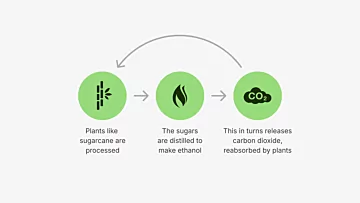
Bioethanol fireplaces represent a significant advancement in sustainable heating technology. These fireplaces operate on a remarkably simple yet effective principle: they burn bioethanol, a renewable liquid fuel produced from plant by-products such as sugarcane, corn, and other crops through fermentation processes.
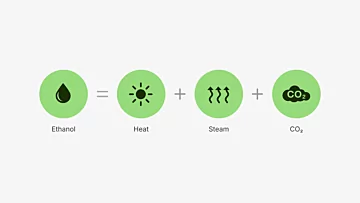
The combustion of bioethanol is exceptionally clean, producing only heat, steam, and a small amount of carbon dioxide - the same CO₂ that we exhale when breathing. This clean combustion eliminates the need for flues, chimneys, or complex venting systems, as there are no harmful emissions to extract.
The flame produced by bioethanol is vibrant and natural-looking, creating the same mesmerising effect as traditional fires but without the environmental drawbacks. The absence of smoke, soot, ash, or unpleasant odours makes bioethanol fireplaces a truly clean alternative for eco-conscious homeowners.
Premium Fuel for Optimal Performance
e-NRG bioethanol is the premium fuel choice for EcoSmart Fire burners. This high-quality fuel is specifically designed to deliver consistent flame characteristics and clean combustion. e-NRG bioethanol is produced from renewable plant materials, creating a sustainable fuel source that aligns with eco-conscious values while ensuring the best possible performance from your indoor fireplace.
Using premium e-NRG bioethanol not only enhances the visual appeal of your flame but also contributes to the overall safety and efficiency of your fireplace system. The carefully formulated composition ensures minimal odour during combustion, making it ideal for indoor applications where air quality is paramount.
Loading image...


Environmental Benefits of Ventless Fireplaces
Zero Emissions: Creating Warmth Without Carbon Footprint
One of the most significant advantages of bioethanol fireplaces is their minimal environmental impact. Unlike wood or gas fireplaces, bioethanol burns without producing smoke, soot, or harmful emissions that require venting.
The carbon dioxide released during combustion is minimal and is part of a closed carbon cycle. The plants used to produce bioethanol absorb CO₂ during growth, which is then released when the fuel is burned. This creates a carbon-neutral process that doesn't contribute to increasing atmospheric carbon levels.
Resource Efficiency: Renewable Fuel Sources Explained
Bioethanol represents a sustainable alternative to traditional fireplace fuels. It's produced from renewable plant materials, making it a resource-efficient option compared to non-renewable fossil fuels like natural gas.
The production process utilises agricultural by-products, creating value from materials that might otherwise be discarded. This approach aligns with circular economy principles, where resources are used efficiently and waste is minimised.
Loading image...


Installation Flexibility for Any Space
Zero-clearance Installation: Freedom to Design Without Constraints
One of the most appealing aspects of modern bioethanol fireplaces is their installation flexibility. Without the need for flues, chimneys, or gas connections, these fireplaces can be installed virtually anywhere.
Zero-clearance construction allows fireplaces to be framed directly into wood or metal studs, providing unprecedented design freedom for architects, interior designers, and homeowners. This flexibility enables creative fireplace placements that would be impossible with traditional wood or gas options.
Design possibilities include:
- Linear installations for contemporary, minimalist spaces.
- Multi-sided viewing options for open-plan living areas.
- Statement surrounds that complement interior design schemes.
- Clean-lined wall integrations that create architectural interest.
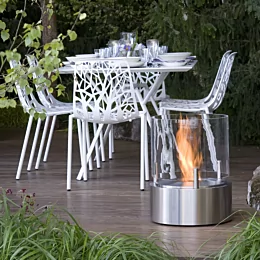
Freestanding and Built-in Solutions for Space Optimisation
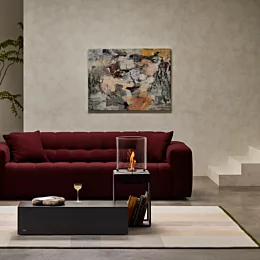
Modern sustainable fireplaces come in various configurations to suit different spaces and design preferences:
- Built in fireplace inserts can transform existing fireplaces or be integrated into new constructions with clean, contemporary lines.
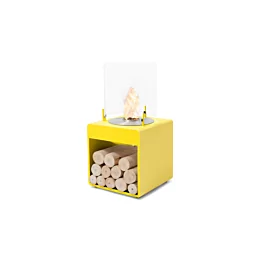
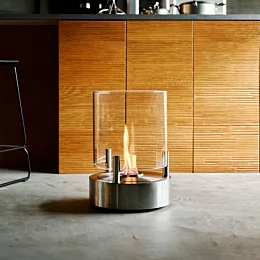
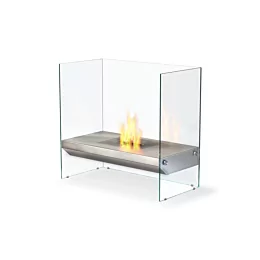
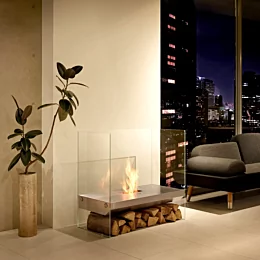
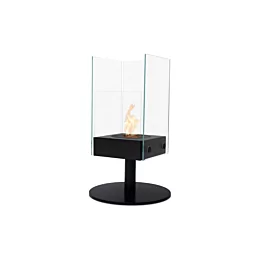
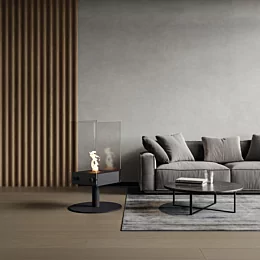
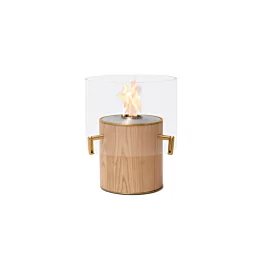
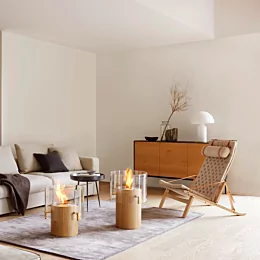
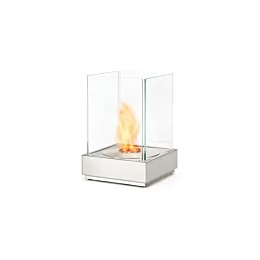
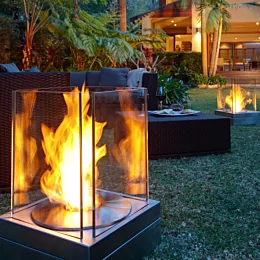
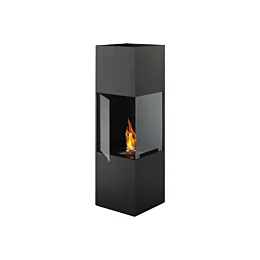
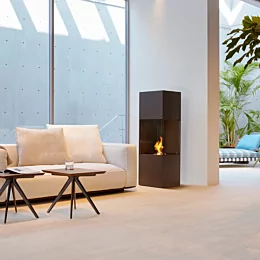
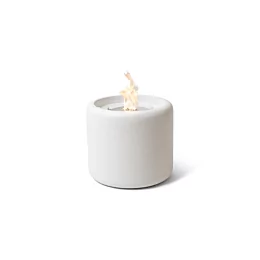
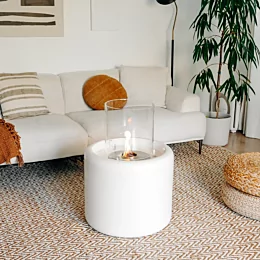
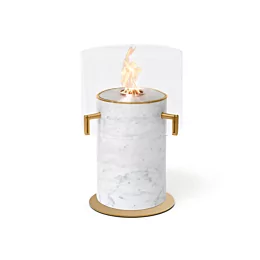
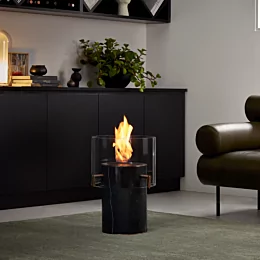
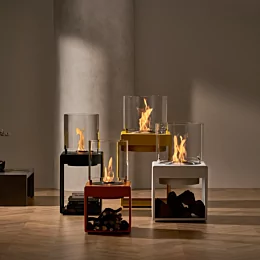
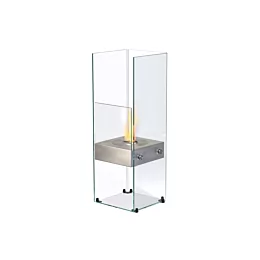
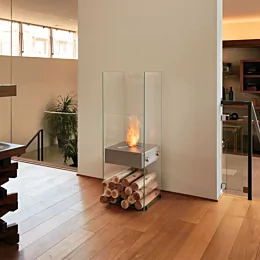
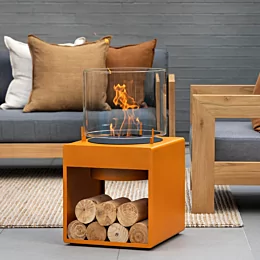
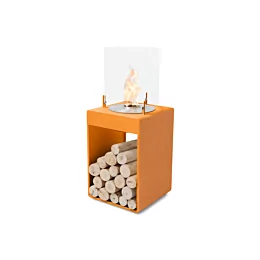
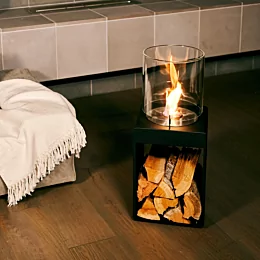
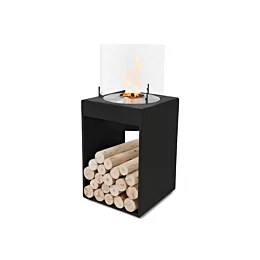
- Freestanding models offer portability and flexibility, allowing the fireplace to be moved as needed
This versatility makes it possible to incorporate sustainable fireplace solutions into virtually any interior, from compact apartments to spacious open-plan homes.
Practical Considerations for Eco-Conscious Homeowners
Room Size and Heating Efficiency
When selecting a sustainable fireplace, it's important to consider the size of the space it will heat. Bioethanol fireplaces vary in their heating capacity, with most models designed to heat areas between 20-60 m² (215-645 ft²).
The thermal output of EcoSmart Fire bioethanol fireplaces typically ranges from 6.14 MJ/h (5,800 BTU/h, 1.7 kW) to 21.56 MJ/h (20,433 BTU/h, 5.99 kW), depending on the model and burner size. This makes them effective for zone heating - warming the rooms you use most rather than wasting energy heating the entire home.
Modern Heating Solution: Supplementary vs Primary Heat Sources
While bioethanol fireplaces provide genuine warmth, they're often best utilised as supplementary heating sources rather than primary heating systems for entire homes. Their real value lies in their ability to create ambience while providing localised heat in the spaces where people gather.
The heat produced is similar to that of a gas fireplace, but with a softer, more gentle warmth that doesn't dry out the air in the room. This creates a comfortable environment while maintaining healthy indoor air quality.
Long-term Benefits: Cost and Environmental Savings
The initial investment in a sustainable fireplace is offset by several long-term benefits:
- No installation costs for flues or vents: Eliminates the need for costly chimney installations or gas connections.
- Reduced heat loss: Without a chimney flue, more heat stays in the room rather than escaping.
- Low maintenance: No regular servicing required, and no ash or soot to clean up.
The cost of running a bioethanol fireplace can be as low as $1.50 per hour, making it an economical choice for creating ambience and supplementary heat.
Loading image...

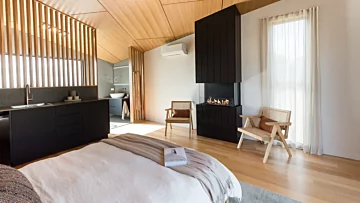
© Design & Build: EcoLiv / Photo:
@kimkeltiephotography Making the Sustainable Choice
The evolution of fireplace technology has made it possible to enjoy the timeless appeal of an indoor fire without compromising environmental values. Modern bioethanol fireplaces offer a compelling combination of clean-burning technology, design flexibility, and genuine warmth.
By choosing a sustainable fireplace option, homeowners can create stunning focal points with linear designs, statement surrounds, and clean lines while minimising their environmental footprint. These contemporary solutions align perfectly with modern architectural trends toward minimalist design and multi-sided viewing features.
The decision to install a sustainable fireplace represents more than just an aesthetic choice - it's a commitment to responsible living that doesn't sacrifice comfort or style. With zero-clearance installation options and versatile configurations, today's eco-friendly fireplaces can transform any space into a warm, inviting environment that reflects both personal taste and environmental consciousness.