Loading image...

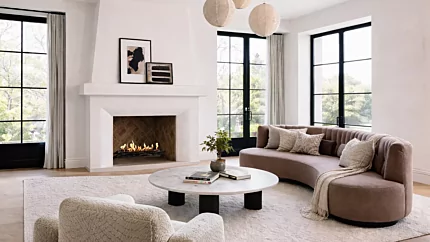
Heritage Grate 50
A real fire is one of those small luxuries that lifts an entire room. The flame, the warmth, the attention it pulls from everyone sitting near it. The problem most homeowners run into is the rest of the package. Smoke that catches in the curtains. Embers that pop onto a rug. A chimney that needs sweeping every season, and a slow worry about carbon monoxide whenever the flue draws poorly. Bioethanol fireplace grates were designed to keep the flame and remove the rest, and the safest models in the category now carry independent certifications from three of the strictest regulators in the world. This is a closer look at what those certifications actually mean, and why they matter for the people sharing the room with the fire.
Loading image...
Heritage Grate 50
Bioethanol fireplace grates produce no smoke, no soot, no flying embers, and no carbon monoxide under normal operation, because clean-burning bioethanol combustion yields heat, water vapour, and a small amount of CO2 comparable to human breathing.
That single sentence rewrites the safety calculation for an open flame indoors. A traditional wood fire, even a well-built one, brings a list of hazards into the home that homeowners have simply learned to tolerate. A certified bioethanol grate eliminates them at the source.
The specific hazards that drop away with a bioethanol grate:
Smoke and fine particulate matter that aggravate asthma and irritate eyes
Soot deposits on walls, mantels, and soft furnishings
Flying embers and popping logs that scorch floors and rugs
Ash residue and the daily clean-up that follows
Creosote build-up inside the chimney, the leading cause of chimney fires
Carbon monoxide from incomplete combustion and poor flue draw
Wood will always need a flue and a fire screen. A purpose-built bioethanol grate needs neither. The fuel is contained, the flame is regulated, and the byproducts stop at heat and water vapour.
Loading image...
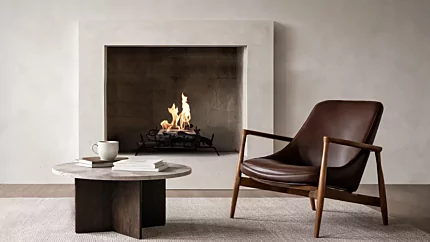
Heritage Grate 25
A certified bioethanol grate isn't certified by the brand that makes it. It's certified by an independent laboratory testing against a published standard, and the standards that matter are written by national safety regulators.
UL 1370 is the US standard, titled Unvented Alcohol Burning Appliances. It tests fuel containment, flame stability, surface temperature, tip-over behaviour, and a deliberately wide set of misuse scenarios. UL 1370 caps reservoir size, requires steel construction above a minimum wall thickness, and demands an anti-spill combustion chamber so fuel cannot pool outside the burn area. Independent testing is mandatory, and self-certification is not accepted.
EN 16647 is the European standard, published by BSI through CEN, covering decorative alcohol-fuelled fireplaces for private households. Every test under EN 16647 must be performed by a laboratory accredited to ISO/IEC 17025, which rules out manufacturers grading their own products. The updated EN 16647-1:2025 version is the current reference.
In Australia, EN 16647's stability test is folded into a mandatory standard managed by the ACCC. Mandatory, not voluntary. A bioethanol device cannot be legally sold in Australia without meeting minimum weight, footprint, and flame-arrester requirements, and the ACCC explicitly cites EN 16647 as the benchmark for stability.
A grate that carries all three certifications, like the models in the EcoSmart Fire bioethanol fireplace grate range, has been independently tested in three regulatory regimes. That triple-layer of scrutiny is the practical meaning of “certified safe”.
Loading image...

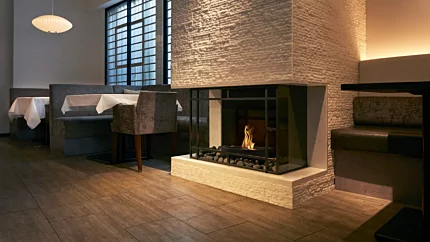
Grate 18
The most reassuring part of converting a wood-burning fireplace with a bioethanol grate is what stays untouched. No chimney rebuild. No gas line. No flue liner. No electrician. The existing masonry opening becomes the housing for a self-contained, ventless appliance.
Because nothing combusts inside the chimney itself, the creosote risk that drives most chimney fires simply ends. The flue draws nothing because nothing rises through it that would damage it. The old fireplace becomes a frame for the fire rather than an exhaust route.
Refuelling is the moment where unregulated products go wrong, which is exactly why certified standards focus there. Refuel only when the burner is fully cold, use a clean-burning fuel like e-NRG bioethanol, and never top up a warm appliance. UL 1370, EN 16647, and the ACCC mandatory standard all set requirements specifically around refuelling safety, and the user manual that ships with a certified grate translates those requirements into a short, simple routine.
For homeowners drawn to the look of a traditional hearth, the Heritage Grate series is built from SECC steel and shaped to sit naturally inside a classical fireplace opening. The visual cue is wood-fire familiarity. The safety profile is bioethanol clean.
Two questions narrow the decision quickly. What kind of fireplace opening are you converting, and which aesthetic do you want to live with? The modern Grate series suits clean, contemporary openings. The Heritage Grate series suits classical and period fireplaces. Both lines carry UL 1370, EN 16647, and ACCC certification, which means the safety baseline is identical across the range.
Look for three things on any bioethanol grate before buying. The certification marks, plainly stated. A regulated burner system, not an open fuel bowl. A clear refuelling procedure in the manual, with cool-down times specified in minutes.
Real flame indoors used to come with a tax on the rest of the house. A certified bioethanol grate removes the tax and leaves the fire. That feels, on first evening, like a small miracle.